

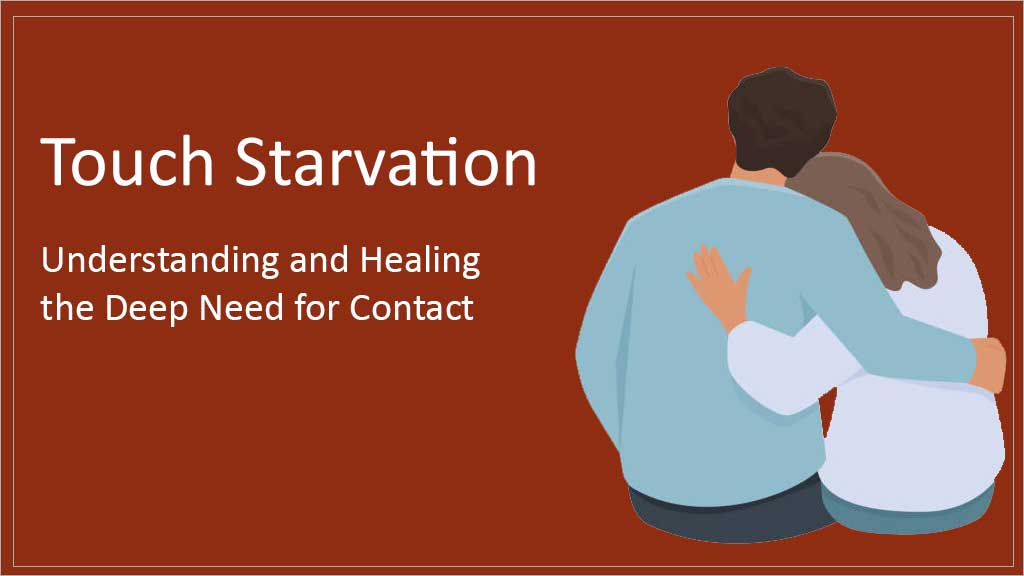
In a World increasingly dominated by digital communication and physical distance, one of the most profound but often overlooked human needs is the need for touch.Touch starvation, also known as skin hunger or touch deprivation, refers to the deep emotional and physiological distress that arises when a person experiences little or no physical contact with others. While the term may sound abstract, the impact is real – and in some cases, life – altering.
What is Touch Starvation ?
Touch starvation is the result of prolonged periods without affectionate or meaningful physical contact, such as hugs, hand-holding, pats on the back, or even casual, about sexual intimacy – it’s about the deep psychological connection and comfort that comes from non-sexual physical touch.
From birth, human rely on touch for survival, infants thrive when they are held, and studies show that babies who receive regular touch develop stronger immune systems and better emotional regulation. As adults, this need for contact doesn’t disapear. Yet many people suffer silently, unaware that their emotional exhaustion or sense of emptiness is rooted in touch deprivation.
The Science Behind Touch
Physical touch triggers the release of oxytocin, often refered to as the ” love hormone.” This hormone plays a crucial role in bonding, trust, and emotional connection. Additionally, touch and reduces level of cortisol, the body’s primary stress hormone, helping people feel calmer and more secure.
When a person is deprived of touch their body may experience increased levels of stress , anxiety, depression, and even physical pain. Touch deprivation can affect :
- Mental Health : Heightened anxiety, loneliness, and symptoms of depression.
- Physical Health : Increased blood pressure, heart rate, and weakened immune response.
- Emotional regulation : Difficulty forming or maintaining close relationships.
How the Modern World Encourages Touch Deprivation
Ironically, as technology brings us closer in virtual spaces. It has also contributed to a decline in physical contact. The rise of remote work, digital friendships, and solo living arrangements means people are often surrounded by screens rather than other humans.
Cultural norms and societal conditioning also play a role. In some societies, physical affection is discouraged. specially among men or within professional settings. The pandemic exacerbated the issue, creating a global environment of hyper – sanitization, fear of contagion, and social distancing.
Recognizing the Signs of Touch Starvation
Touch starvation doesn’t always scream its presence. Often, it creeps in subtly, expressed through emotional fatigue, restlessness, or a longing you can’t quite name. Common signs include :- A deep carving for hugs or physical closeness
- Irritability or mood swings
- Sleep disturbances
- Feeling of isolation or sadness
- Heightened sensitivity to rejection or emotional coldness
- A deep carving for hugs or physical closeness
- Irritability or mood swings
- Sleep disturbances
- Feeling of isolation or sadness
- Heightened sensitivity to rejection or emotional coldness
Recognizing these signs is the first step towards healing
Healing the Deep Need for Contact
1. Reconnecting with safe, Intentional Touch
Healing from touch starvation begins with finding safe ways to incorporate more touch into your daily life. This doesn’t necessarily mean romantic touch. It can be :
- Hugging friends or family
- Holding hands with a trusted loved one
- Cuddling pets
- Receiving massages
- Practicing self-touch (placing a hand on your heart or giving yourself a light massage)
2. Touch Therapy and Professional Support
In recent years, touch therapy has gained recognition. Certified touch therapists or cuddle therapists offer sessions that allow people to experience consensual, non-sexual touch in a safe environment.
For those who have experienced trauma, especially related to physical boundaries or touch, working with a trauma- informed therapist can help reestablished a healthy relationship with physical contact.
3. Mindful Touch in Relationships
In recent years, touch therapy has gained recognition. Certified touch therapists or cuddle therapists offer sessions that allow people to experience consensual, non-sexual touch in a safe environment.
For those who have experienced trauma, especially related to physical boundaries or touch, working with a trauma- informed therapist can help reestablished a healthy relationship with physical contact.
4. Physical Practices That simulate touch Benefits
While nothing truly replaces human touch, some practices can help simulate the physiological benefits :
- Warm baths : The sensation of water can help soothe the body.
- Weighted blankets : These provide gentle pressure that calms the nervous system.
- Yoga and stretching : Reconnecting with your own body through movement can promote internal comfort.
5. Cultivating Emotional Intimacy Beyond Touch
Touch is powerful vehicle for connection, but it’s not the only one. Building emotional intimacy through words, eye contact, vulnerability, and presence can help reduce the ache of touch starvation, especially in periods where physical closeness isn’t possible.
Video calls with a trusted friend, writing letters, or engaging in deep conservations can activate feeling of emotional safety and reduce perceived isolation.
The Deeper Emotional Impact of Being Untouched
Being untouched for a long period can create a kind of emotional erosion. Humans are weird for connection, and touch is one of the most direct, nonverbal ways to express that. The lack of it can lead to :
- Disconnection from one’s body
- Feeling invisible or unworthy of affection
- Difficulty trusting others
This emotional toll often goes unnoticed in a culture that praises independence and self-sufficiency. But the truth is, asking for a hug, reaching for someone’s hand, or even saying, “I need physical comfort,” is an act of courage and emotional honesty.
Touch and Cultural Sensitivity
It’s essential to recognize that not everyone experiences or expresses touch the same way. Cultural backgrounds, personal boundaries, and trauma histories all effect how people relate to physical contact.
In healing from touch starvation, consent is key. No form of healing touch should ever be forced or expected. The goal is to restore comfort and agency within the body.
Final Thoughts : Embracing Contact as a Vital Need
Touch starvation is not a sign of weakness or neediness. It is a human need as real and vital as food, rest, and love. In a disconnected world, reaching for connection – especially through touch – is an act of healing.
Wheather it’s warm embrace, shared laugh with a friend while your arms brush, or simply sitting close in silence, these small moments of contact remind us we are not alone. and in that memory, there is healing.
Call to Action : Have you experienced touch starvation ? How have you navigated it or begun healing ? Please feel free and share your stories in the comments or explore more posts on emotional Intimacy and connection.